If your child is experiencing chronic eye irritation, frequent tearing, or blurry vision, you might be dealing with a combination of two distinct but interconnected eye conditions: epiblepharon and high astigmatism. While they may sound intimidating, understanding the relationship between the two is the first step toward clear, comfortable vision.
At our clinic, we understand that the thought of eye surgery can be daunting for parents. That is why we specialize in advanced, non-surgical methods to correct and manage both conditions effectively.
What is Epiblepharon?
Epiblepharon is a common pediatric eye condition, particularly prevalent in children of East Asian descent. It occurs when an extra fold of horizontal skin stretches across the edge of the eyelid (usually the lower lid). This extra fold pushes the eyelashes upward and inward, causing them to constantly brush against the surface of the eye (the cornea).
Unlike entropion (where the entire eyelid turns inward), epiblepharon only involves the extra skin fold and eyelashes.
Common symptoms of epiblepharon include:
Constant eye rubbing due to irritation.
Watery eyes or excessive tearing.
Redness and persistent discomfort.
Sensitivity to light (photophobia).
While some children outgrow epiblepharon as their facial structure develops, untreated cases can lead to secondary vision issues—most notably, high astigmatism.
How Epiblepharon Can Lead to High Astigmatism
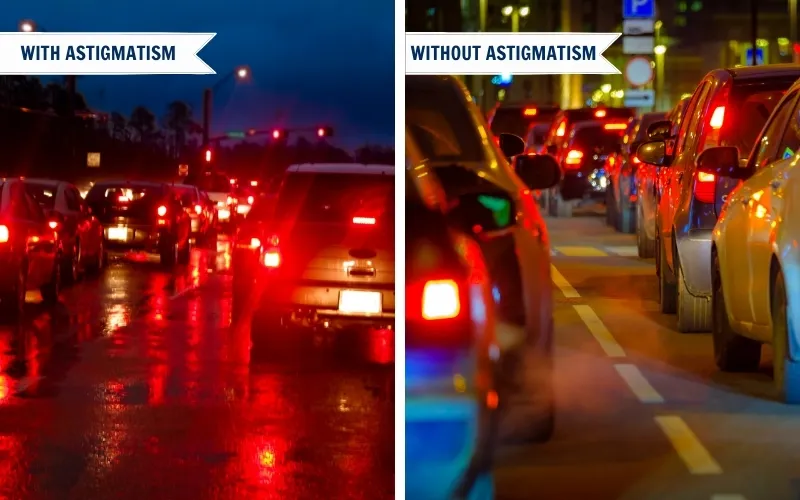
Astigmatism is a refractive error caused by an irregularly shaped cornea (the clear front surface of the eye). Instead of being perfectly round like a basketball, an eye with astigmatism is shaped more like a football. This causes light rays to focus on multiple points in the eye rather than a single point on the retina, resulting in blurred or distorted vision at all distances.
So, how does epiblepharon cause high astigmatism?
The constant friction of the eyelashes rubbing against the eye over months and years can physically alter the shape of the developing cornea. This chronic mechanical rubbing—along with the child’s own frequent eye rubbing in response to the irritation—can induce significant corneal changes, leading to high astigmatism.
If a child has high astigmatism that goes uncorrected, it can eventually lead to amblyopia, commonly known as a “lazy eye.”
Our Non-Surgical Treatment Approach
While many practices immediately jump to surgical intervention for epiblepharon, our clinic provides highly effective, non-surgical methods to correct the condition, protect the eye, and restore perfect vision. We focus on managing the physical irritation while simultaneously correcting the refractive error.
Our comprehensive, surgery-free options include:
1. Specialized Therapeutic Contact Lenses
We utilize advanced contact lens technologies, such as Scleral Lenses or specialized Orthokeratology (Ortho-K):
Physical Shielding: These customized lenses act as a physical barrier, vaulting over the cornea to protect the eye’s delicate surface from the inward-turned eyelashes, instantly eliminating pain and the urge to rub the eyes.
Corneal Reshaping: Ortho-K lenses gently reshape the cornea overnight, effectively reducing or eliminating high astigmatism without invasive procedures.
2. Custom Medical Management & Lid Taping
For younger children, we offer guided, conservative management techniques. This includes specialized lid taping protocols that gently pull the skin fold away from the eye, paired with high-quality lubricating ointments to heal any existing corneal micro-abrasions caused by the eyelashes.
3. Precision Prescription Eyewear
To correct the high astigmatism induced by the rubbing, we provide highly customized prescription glasses. By ensuring light enters the eye correctly, we prevent the development of amblyopia (lazy eye) and keep your child’s visual development perfectly on track while we manage the epiblepharon.
Why Early Intervention Matters
Vision is closely tied to learning and development in young children. If your child is constantly rubbing their eyes or complaining of blurry vision, do not ignore it. Addressing epiblepharon early not only relieves physical discomfort but also minimizes the risk of developing high astigmatism.
You don’t have to jump straight to surgery. Schedule a comprehensive consultation at our clinic today to explore our non-surgical treatment plans and ensure your child’s eyes remain healthy, comfortable, and focused for the future.







Recent Comments